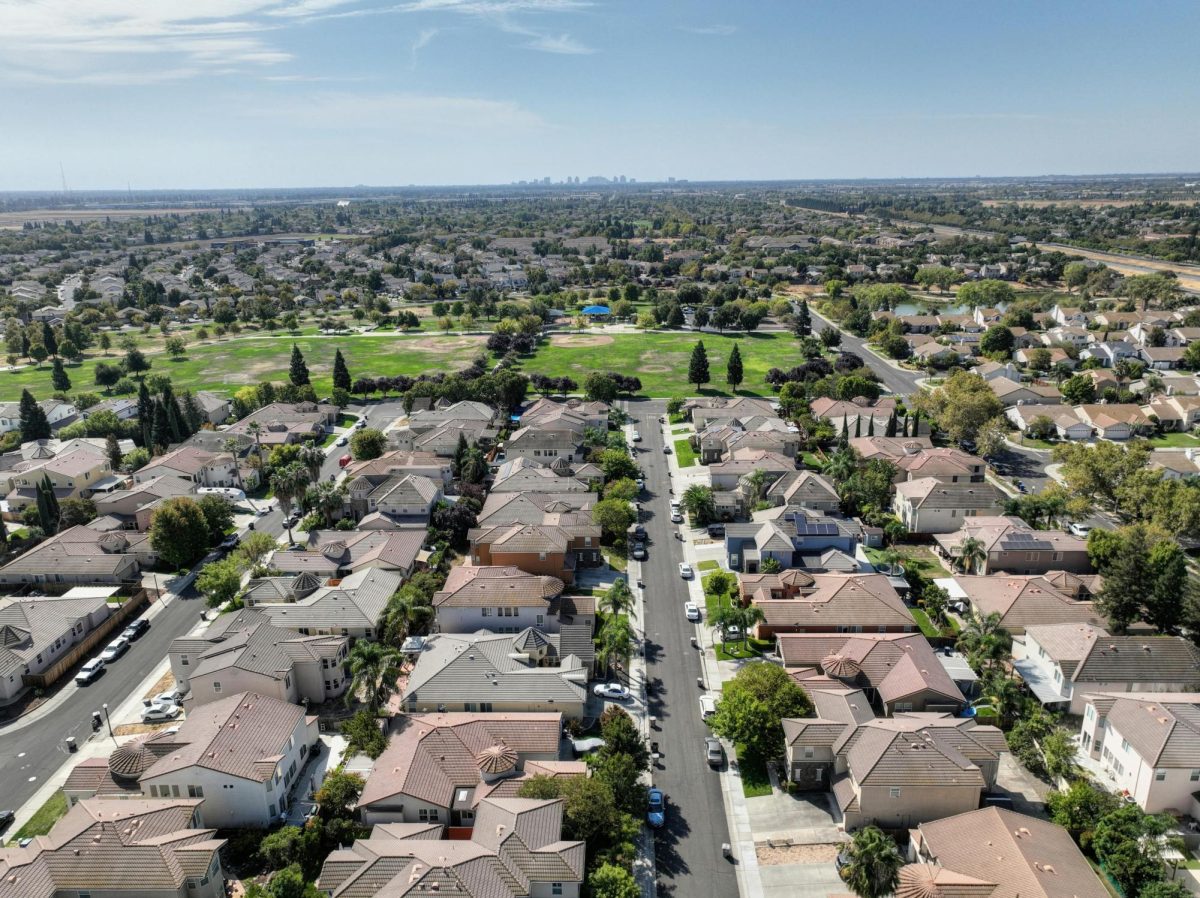
With the cost of living at an all-time high, the possibility of homeownership for younger generations is becoming unrealistic. Over the past few years, inflation has been on the rise, and the housing market is steep. According to the New York Times, in 2014, the median age of a first-time homebuyer was 31. By 2025, it was 40, the highest on record. Both Democrats and Republicans have recognized the need to build more homes, but little has been done to achieve this goal.
Housing policy is particularly difficult to address because zoning and building regulations are largely delegated to the state and local levels. Even when new policies are created, it takes time for any effect to be felt. Multiple years are spent planning, approving, and finally constructing new homes. Therefore, citizens may not see any results under their elected officials leadership, especially at the national level. Aaron Shroyer, special assistant to past president Joe Biden for housing policy, states, “ If you’re a politician and you have a four-year term, you really need to do all of your housing stuff in Year 1 if you want to have people feel the benefit within that single term.”
Since the pandemic, home prices have risen by more than 50%, and about one-third of Americans spend over 30% of their income on housing. Additionally, reports from the U.S. Department of Housing and Urban Development state that during 2019 to 2020, a combination of rising rents and falling incomes severely restricted homeownership. Economic growth has been insufficient to raise wages for low-income renting families to the point where rent is unaffordable. In 2023, only 59 affordable units were available per 100 very low-income renter households, and only 38 per 100 extremely low-income renter households, the Office of Policy Development and Research states.
Public frustration has continued to grow. Nearly 79% of Americans say housing costs are too high, and 62% say it’s now harder to find housing they can afford. Despite this widespread concern, most remain skeptical about potential solutions. Ezra Klein, writer for the New York Times, reports “only 24% believe that building more housing in their community would lower costs.” This creates tension between those who already own a home and those still looking.
Along with political barriers, there is also a fundamental crisis with how homes are built. Between 1950 and 2020, productivity in the manufacturing sector increased by over 900%. In that same period, productivity in the construction sector fell. An alternative method to manufacturing houses is to build them in an off-site factory and ship them for final assembly, similar to how cars are made. This method was pioneered by George Romney, who served as Secretary of Housing and Urban Development during the Nixon administration. However, the U.S. never established the rules or the financing to make it an industry.
There is hope in another option: restoring older single-family homes. Older homes require high levels of maintenance but are often located in desirable neighborhoods. Restoring these houses and putting them on the market at affordable prices creates new opportunities.
In a post-pandemic world, it is possible to fix this issue for younger generations, but it will require action and commitment. Solutions such as efficient building methods or restoring homes can create long-term success and allow low income families to have a fair chance of homeownership in the current economy.